Introduction: Why domain extensions matter beyond branding
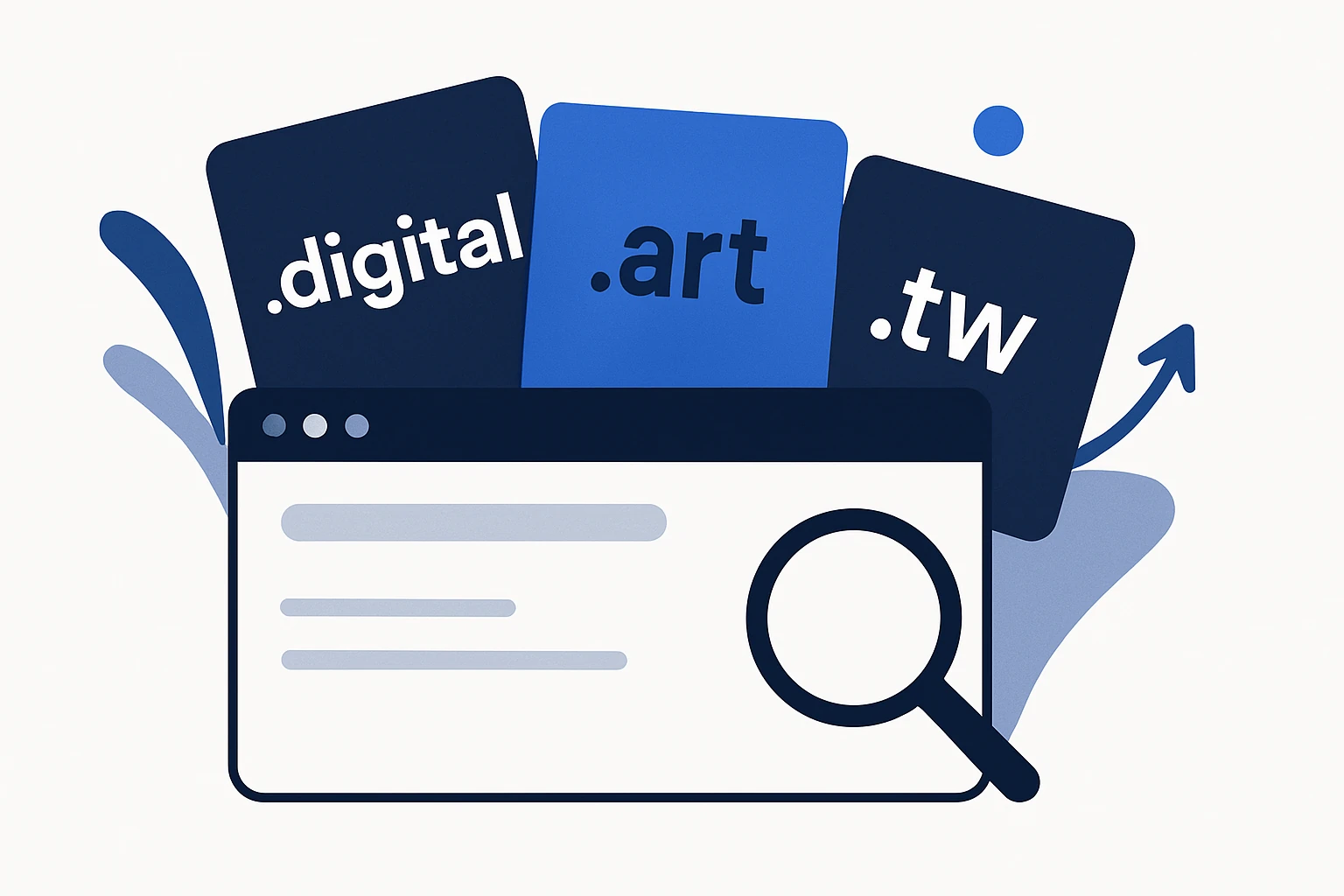
When startups and established brands launch a new site, the decision about which domain extension to use often happens in the background - yet it quietly shapes trust, clarity, and even user behavior. The expansion of generic top-level domains (gTLDs) in the last decade has given brands new ways to signal focus, geography, or industry. But do these extensions impact search visibility, or are they simply branding assets? The truth lies in the balance between brand alignment, audience expectations, and practical acquisition considerations. This article unpackes that balance and offers a practical framework for US-based businesses evaluating niche extensions such as .digital, .art, and .tw. Note: you can directly explore resources for these TLDs on WebAtla’s directory, including .digital domain listings and TLD-wide domain lists. For example, see the directory at download list of .digital domains and the broader TLD directory at download list of domain lists by TLD.
Understanding the domain extension landscape
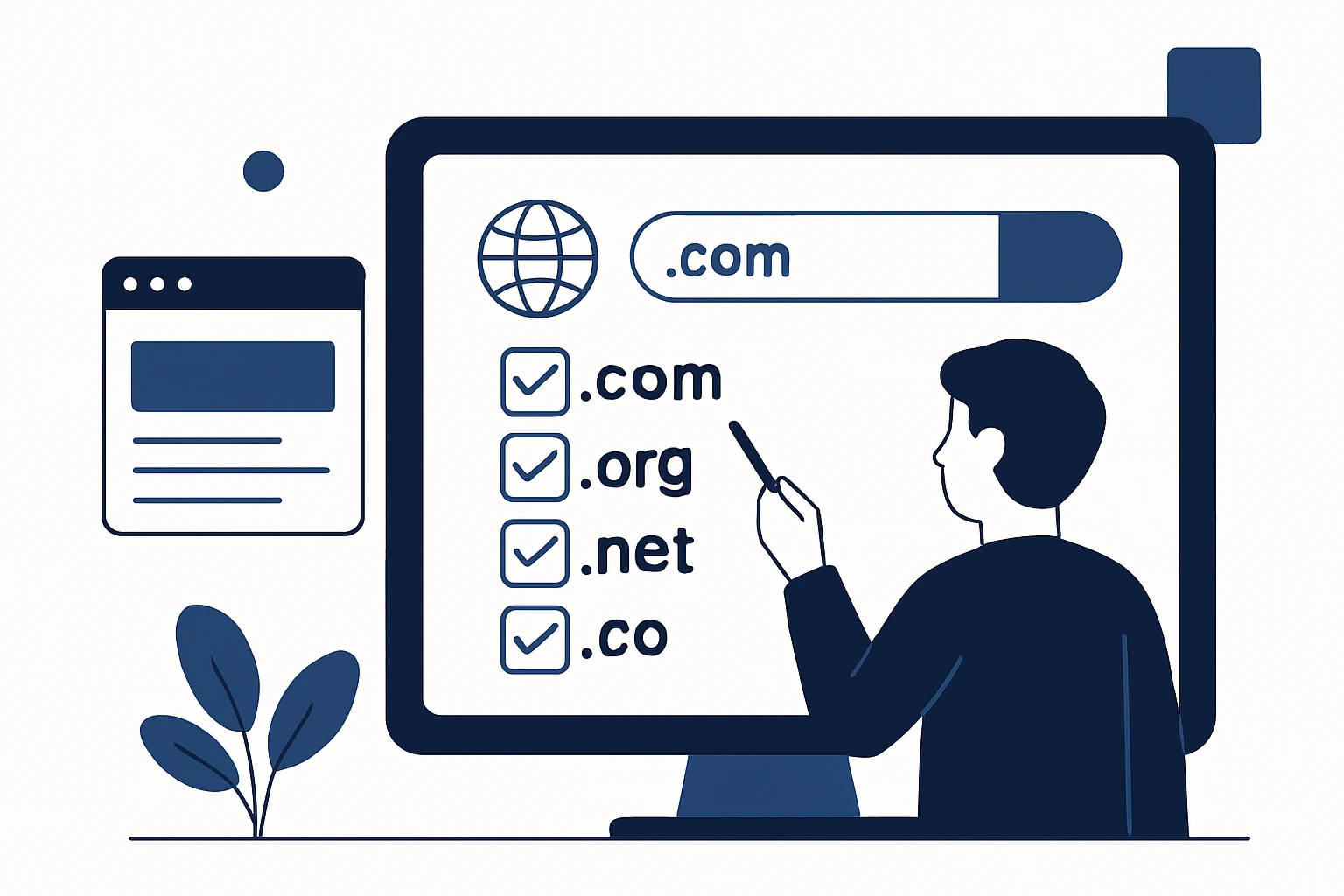
The Internet’s naming system has evolved far beyond the classic .com, .org, or .net. Since ICANN launched the New gTLD Program, hundreds of new extensions have entered the root zone, offering brands a more distinctive identity and alternative branding signals. This expansion is about more than novelty, it’s about how a domain name communicates purpose, trust, and regional focus to users before they even click a link. For context, ICANN’s program was created to increase competition and choice in the domain space, enabling more language- and region-specific options. (newgtldprogram.icann.org)
gTLDs vs ccTLDs: definitions in practice
Generic top-level domains (gTLDs) are not tied to a single country. They include extensions like .digital, .art, and many others that aim to reflect an audience, a discipline, or a value proposition. Country-code TLDs (ccTLDs) such as .tw (Taiwan) are geographically scoped and can carry localization benefits when you serve a specific region. Internationalized domain names (IDN) add script-based options for non-Latin languages, further expanding the branding toolkit. Understanding the distinction helps you decide when a brand-wide global presence makes sense versus when a regional signal is valuable. The root zone administration and ccTLD delegation processes are overseen by IANA, and changes to the root zone are carefully documented and audited. (newgtldprogram.icann.org)
Real-world implications for branding and perception
From a user’s perspective, a domain extension can influence perceived credibility and memorability. While search engines do not reward one extension over another as a direct ranking signal, brands with intuitive, trustworthy domains tend to earn higher click-through rates and stronger brand recall. This is the indirect path by which a TLD can affect visibility: better engagement signals can drive traffic and backlinks, which in turn influence rankings. Major industry coverage emphasizes that all generic extensions are treated equally by modern search algorithms, so the strategic value of a TLD rests on branding, not on an algorithmic edge alone. (searchengineland.com)
How to evaluate TLD choices for your brand and SEO
Choosing a domain extension is a branding decision as much as a technical one. Below is a practical framework you can apply to any brand, with a focus on niche extensions like .digital, .art, and .tw.
- Step 1 - Brand alignment: Does the extension clearly reflect your product, service, or audience? A .digital or .art domain can communicate a creative, technology-forward image when paired with a strong brand name and site design.
- Step 2 - Geographic and audience targeting: If you primarily serve a US audience but plan to scale in Taiwan or other markets, a ccTLD like .tw may be appropriate for localized campaigns while using a global primary domain. (ccTLDs are managed under IANA and registries, plan for appropriate localization and redirection.)
- Step 3 - User trust and memorability: Consider how your target customers will perceive the extension in search results, business cards, and emails. A familiar, legible extension often improves CTR, especially for brand-new brands.
- Step 4 - SEO considerations (indirect): While Google treats gTLDs the same in rankings, user behavior signals like CTR and engagement can influence long-term visibility. Choose an extension that supports clear messaging and trust. (searchenginejournal.com)
- Step 5 - Trademark and branding risk: Check for potential conflicts with existing brands and trademarks. A well-researched name-and-extension pairing reduces the risk of disputes and misdirected traffic.
- Step 6 - Acquisition and maintenance: Availability, renewal pricing, and provider reliability matter. Ensure you can secure the exact match across variants (www, non-www, and subdomains) and have a plan for ongoing maintenance.
Resource landscape: where to find domain lists for due diligence
For brand teams performing diligence or exploring niche extensions, obtaining up-to-date domain lists by TLD can help with competitive analysis, market sizing, and outreach planning. Several reputable sources offer comprehensive datasets, including new gTLDs and country-code domains. ICANN’s New gTLD Program page provides context about the expansion and its intent, which is useful when weighing niche extensions against traditional choices. (newgtldprogram.icann.org) In parallel, the IANA Root Zone Database is the canonical source for delegations of all TLDs, including ccTLDs like .tw, offering a reliable reference point for any branding landscape that spans multiple regions. (iana.org)
If you’re specifically examining niche extensions such as .digital, .art, and .tw, you’ll likely want to tap into lists that are refreshed regularly by domain data vendors and registries. Note that many environments publish downloadable CSVs or metadata feeds that you can parse for planning and risk assessment. When engaging with domain datasets, remember that the value of an extension is mediated by how well it communicates your brand and how you manage user experience after the click. For practical access to niche lists, you can consult niche directories and data providers, for example, WebAtla maintains a directory of TLDs and domain lists that includes .digital, and offers a centralized place to browse and download relevant datasets. See download list of .digital domains and the broader directory at download list of domain lists by TLD.
Client-integrated resources: how WebAtla and daivietweb readers can proceed
For teams that want a curated, up-to-date view of niche TLDs and domain assets, partnering with a provider that maintains structured domain lists can save time and reduce risk. The client’s directory approach aggregates TLD data and domain availability signals in one place, helping teams compare options quickly and align with branding strategy. In this article, we reference two practical entry points from the client: the directory page for .digital domains and the general TLD list hub. This keeps the discussion grounded in actionable, real-world steps rather than abstract theory. download list of .digital domains • download list of domain lists by TLD.
Expert insight: framing TLD decisions like a branding and UX problem
Industry practitioners consistently emphasize that domain extension choice should be treated as a branding and user-experience decision rather than a direct SEO lever. An expert perspective is that TLDs do not provide a direct ranking boost, but they can influence credibility, recall, and click-through behavior, which are meaningful for long-term visibility and brand equity. This framing aligns with how search engines evaluate quality signals - through user engagement and content relevance rather than the extension alone. (searchengineland.com)
Limitations, trade-offs, and common mistakes
- Limitation: A niche TLD alone won’t fix branding or SEO if core site quality is weak. Content, UX, and technical SEO remain the primary drivers of long-term performance.
- Trade-off: Some niche extensions can improve perceived relevance for a specific audience but may complicate international campaigns or email deliverability if users expect a widely-known extension.
- Common mistake: Focusing on the “latest” extension while ignoring trademark checks, brand consistency, and domain hygiene can backfire with brand confusion or legal risk.
A practical framework: turning theory into action
Use this concise framework to guide your next domain decision, especially when evaluating rare extensions like .digital, .art, and .tw.
- Discovery: Clarify your brand narrative and target markets. Identify which extension best signals your positioning (tech-forward, creative, or region-specific).
- Evaluation: Assess legal availability, renewal costs, and potential confusion with brands in your space. Consider how the extension will appear in search results and marketing materials.
- Alignment: Validate that the extension supports your website’s content strategy and UX, ensure consistent branding across domains, subdomains, and campaigns.
- Acquisition: Plan the registration path, including variants (www vs non-www) and protection against cybersquatting or misspellings.
- Launch: Align the new domain with marketing campaigns, email authentication, and web infrastructure (hosting, redirects, and canonical strategies).
Limitations and common mistakes (summary)
Even with a robust framework, the outcome depends on execution. The most common missteps are: treating TLD choice as a substitute for good content, ignoring audience trust signals, and failing to secure trademark rights. Readers should pair any TLD decision with strong on-site UX, fast performance, and a credible brand narrative. For governance and technical details about TLDs, refer to industry authorities like ICANN and IANA. (newgtldprogram.icann.org)
Conclusion: make the extension work for your brand, not against it
.Domain extensions are a strategic asset. They shape first impressions, influence how users perceive your brand, and can affect engagement signals that indirectly influence SEO. With niche extensions such as .digital, .art, and .tw, you have an opportunity to communicate focus, creativity, or regional reach from the first click. Use a framework, validate with credible data, and ensure your brand and technical foundation are solid. If you’re evaluating niche lists or exploring domain assets at scale, consider starting with curated resources and directories that keep you aligned with your branding and legal considerations. For readers who want practical access to niche domain data, the client’s directory services provide structured ways to browse and download targeted domain lists, including .digital and the broader TLD catalog.
References and further reading
ICANN’s New gTLD Program overview and context for expanding the domain space: The New gTLD Program. IANA’s Root Zone Database and ccTLD delegation data for authoritative domain mappings: IANA - .TW. Practical perspectives on domain extensions and SEO: Does Domain Extension Affect SEO? John Mueller Explains and Domain Extensions and SEO: What you Need to Know.