Introduction: domain strategy as the quiet backbone of global growth
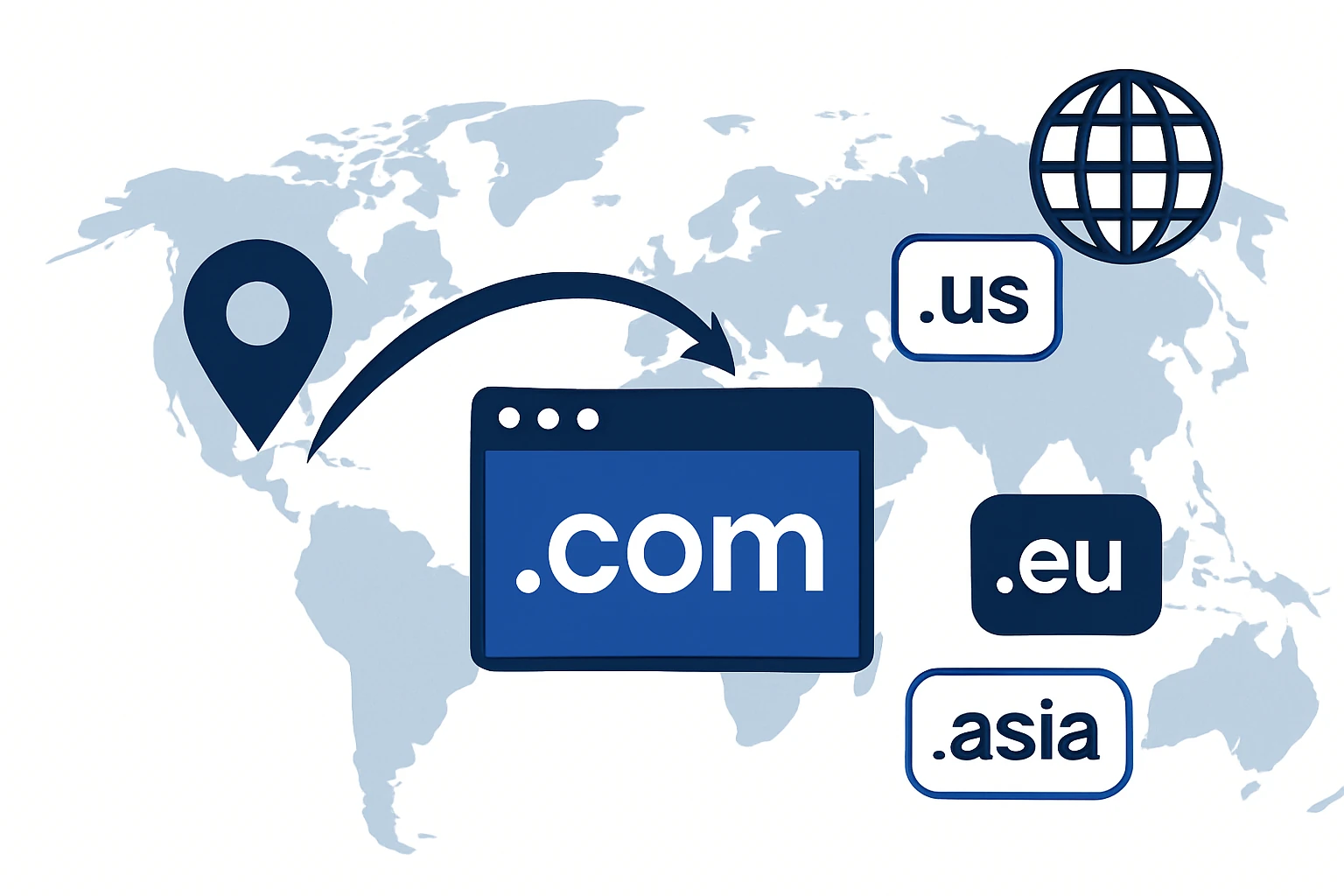
When US-based startups and enterprises plan international expansion, much attention goes to product-market fit, localization, and user experience. Yet a robust domain strategy underpins discoverability, trust, and long-term performance in new markets. Beyond flashy design or fast hosting, choosing how you structure your web presence - ccTLDs, subdomains, or subdirectories - can influence how search engines interpret your geographic focus and how local users perceive your brand. This article explores how downloadable domain data, including JP, ES, and SE domains, can inform practical decisions about market targeting, site architecture, and ongoing optimization. We’ll also outline the realities of accessing domain lists through zone files and reputable data sources, and how a coherent framework can guide your implementation.
Understanding the landscape: why domain choice still matters for international growth
Geographic targeting in search is influenced by signals far beyond where your site sits. Google’s official guidance confirms that while country-code top-level domains (ccTLDs) can be strong signals for country targeting, they are not the only path - and Google may treat some ccTLDs as more generic in practice. This means your international strategy should balance architectural decisions with content localization and technical SEO signals such as hreflang and language targeting. In short, your domain structure should align with market goals, content strategy, and ongoing optimization, not rely on a single lever. Google Search Central: Managing Multi-Regional & Multilingual Sites and related modern guidance emphasize that ccTLDs are a tool, not a silver bullet.
What you can (and can’t) do with downloadable domain lists
There is growing interest in downloading lists of registered domains by TLD or country to analyze competitive footprints, identify potential market entrants, or monitor brand protection risk. In practice, access to complete, up-to-date domain registries is controlled. Public access to zone files - collections of registered domain names within a given TLD - exists but often requires formal access requests or is restricted to registries and approved researchers. The Centralized Zone Data Service (CZDS) provides a portal for researchers and organizations to request access to gTLD zone files, while many ccTLD registries do not publish zone files publicly. These policies are designed to balance data usefulness with privacy and operational considerations. CZDS: What are TLD Zone Files? and ICANN: Zone File Access (ZFA) overview explain how researchers can request data and what is typically available.
For teams needing broad domain data now, several reputable data providers curate lists of registered domains (often by TLD or region) for research and competitive intelligence. Examples include services that publish domain-name lists with a single-column format (one domain per line) and offer periodic updates. Be mindful that such datasets may vary in completeness and timeliness, and legal/privacy considerations apply. ZoneStats: Download all zone files and Networks DB: Datasets of domains illustrate the variety of options and data formats available from commercial providers.
In practice, most teams combine official registry-access channels (where possible) with reputable data vendors to inform market entry, competitive analysis, and brand protection planning. For example, you may use CZDS-available zone files to study generic top-level domains (gTLDs) or specific country registries under strict usage policies, while relying on third-party lists for rapid market intelligence and trend spotting.
A pragmatic framework: how to use domain data in a real-world international strategy
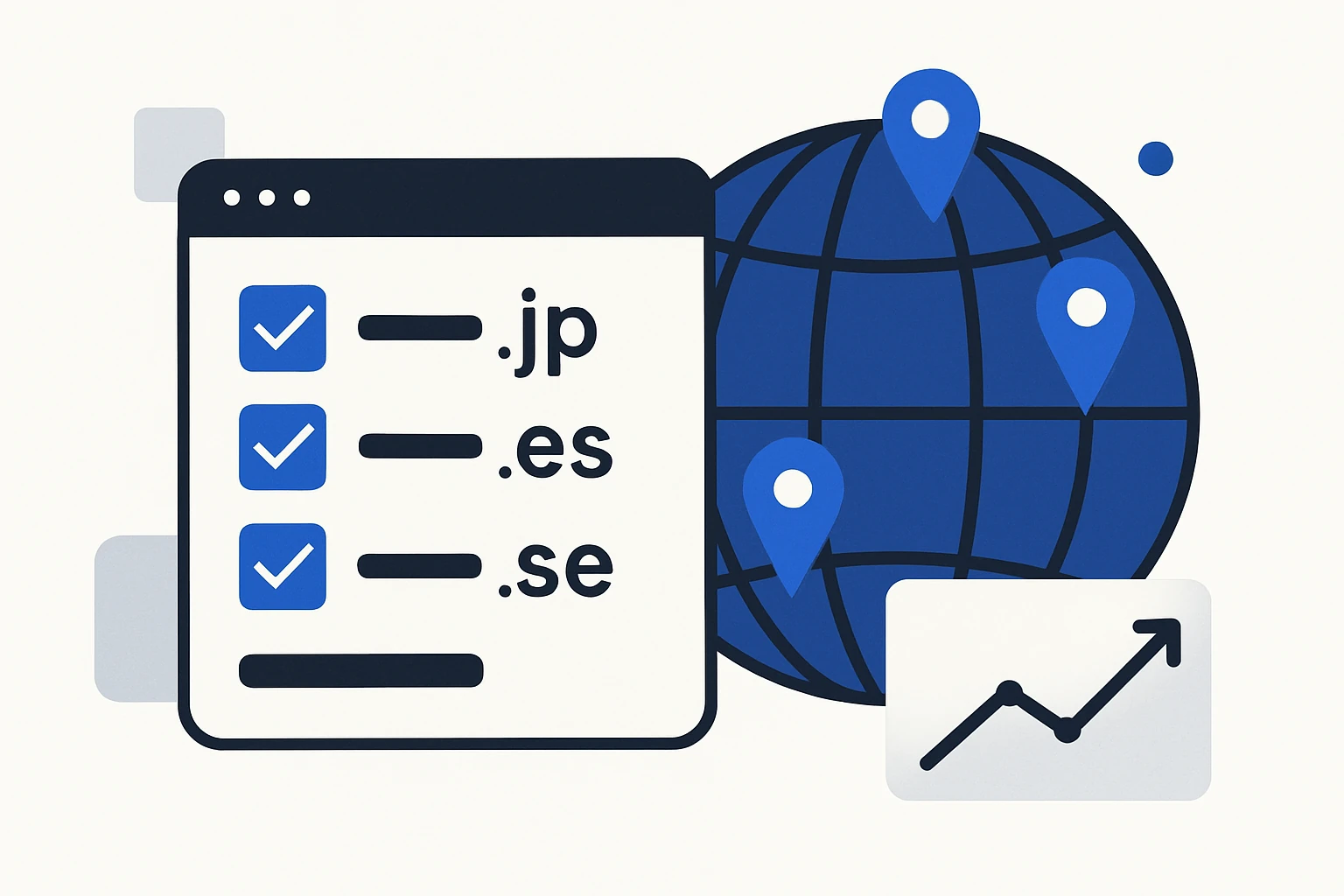
Below is a compact framework you can apply when considering JP, ES, SE (Japan, Spain, Sweden) and related markets. It is designed to be actionable for product teams, Growth/BD, and technical SEO leads working with a web development partner.
- Step 1 - Define market priorities and signals: List target regions, languages, and user intents. Use search trends data, language nuances, and real-world buying signals to rank markets by potential impact, not just by population size. (Reference: multi-regional guidance from Google and international SEO literature.)
- Step 2 - Decide on domain structure: Evaluate ccTLDs (e.g., .jp, .es, .se), or consider subdirectories or subdomains if you have budget or organizational constraints. Each option has pros/cons for localization, branding, and crawl efficiency. See current guidance from Google on how signals interact with domain structure.
- Step 3 - source domain intelligence with care: If you plan to study the market footprint, use CZDS-accessed data for gTLDs and reputable third-party datasets for broader coverage. Understand the limitations: not all registries publish zone files, data freshness varies, and privacy considerations apply.
- Step 4 - implement with governance and monitoring: Align your domain choices with hreflang, language-specific content, and canonical signals. Set up ongoing monitoring for global performance, brand protection, and crawl efficiency, adjusting structure as markets evolve.
- Market alignment: target countries and languages
- Domain structure: ccTLD vs subdomain vs subdirectory
- Data sourcing: CZDS for gTLDs, reputable vendors for broader view
- SEO & governance: hreflang, canonicalization, and monitoring
Implementation considerations: signals beyond the domain
Even with a carefully chosen domain structure, you must optimize for signals that Google and other search engines use to localize results. The canonical approach is to pair domain strategy with robust international SEO practices, including:
- Hreflang and language targeting: Use hreflang annotations to signal language variations and regional pages, especially when content is translated or tailored to multiple markets. This remains a central practice even as search engines evolve.
- Localization quality: Language accuracy, culturally relevant messaging, and local benchmarks improve user trust and engagement, which in turn influences rankings and conversions.
- Technical SEO hygiene: Fast, accessible pages, proper sitemaps, and clean navigation become even more critical when serving multiple markets from a single infrastructure.
As you plan, remember that the architecture you choose should reflect your organization’s capacity for localization and site governance. If you have several markets with strong growth potential, ccTLDs offer clear geographic signals and branding advantages, if not, a well-structured subdomain or subdirectory approach can still perform well with strong localization and technical optimization. For a broader perspective on this topic, see Google’s guidance on multi-regional sites.
Limitations, trade-offs, and common mistakes
Every approach has trade-offs. Here are the most common pitfalls to avoid when leveraging downloadable domain data and planning a global site:
- Overreliance on zone-file signals: Zone files are valuable for certain research tasks but are not the sole predictor of user behavior or rankings. Google increasingly relies on intent signals and content quality as core ranking drivers. Google’s multi-regional guidance emphasizes these broader signals.
- Underestimating data access friction: CZDS access requires approval and is subject to registry policies, many ccTLDs do not publish zone files publicly. Plan for a data-access timeline and alternative sources. See ICANN on zone-file access processes.
- Ignoring localization as a signal: Even with a local-domain strategy, failing to localize content and user experience can undermine the intended effect. Localized messaging and language quality remain essential.
- Overcomplication without governance: A multi-market architecture without clear owners, SLAs for translations, and data governance can lead to crawl inefficiencies and maintenance burdens.
Experts in international SEO caution that while ccTLDs are powerful, they are not a silver bullet and should be evaluated within a broader strategy of quality content, user experience, and technical excellence. See the practical synthesis in modern international SEO resources and practitioner guides.
Putting it into practice: how WebAtla can help guide domain data exploration
For teams exploring this tactic, a combination of official registry data channels and reputable data providers can help you map a viable global footprint. WebAtla offers a set of domain-related resources that can be used to understand regional footprints and domain options. See the JP-focused domain resource page WebAtla JP domain data as well as their general domain directory WebAtla TLD directory and the country-oriented domain listings WebAtla by country to inform your planning and governance as you evaluate a multiregional approach.
Real-world takeaways: translating data into a robust global site
The practical takeaway is simple: use domain strategy to signal market intent, and couple that with strong localization and technical SEO practices. Downloadable domain data can accelerate competitive intelligence and risk assessment, but won’t replace thoughtful localization and a clear governance model. Start with the markets that matter most, choose a domain structure aligned to capabilities, and build an ongoing feedback loop that ties performance metrics to domain-related decisions.
Conclusion: a disciplined path to global visibility
Domain strategy remains a foundational pillar of international web success. By understanding what is possible with downloadable domain data, recognizing the limitations of access, and applying a disciplined framework, teams can make better decisions about where to invest in ccTLDs, subdomains, or subdirectories. As you scale, keep the focus on user-centric localization, technical excellence, and consistent measurement. The market will reward sites that balance structure with stellar content and fast, reliable performance across geographies.