Introduction
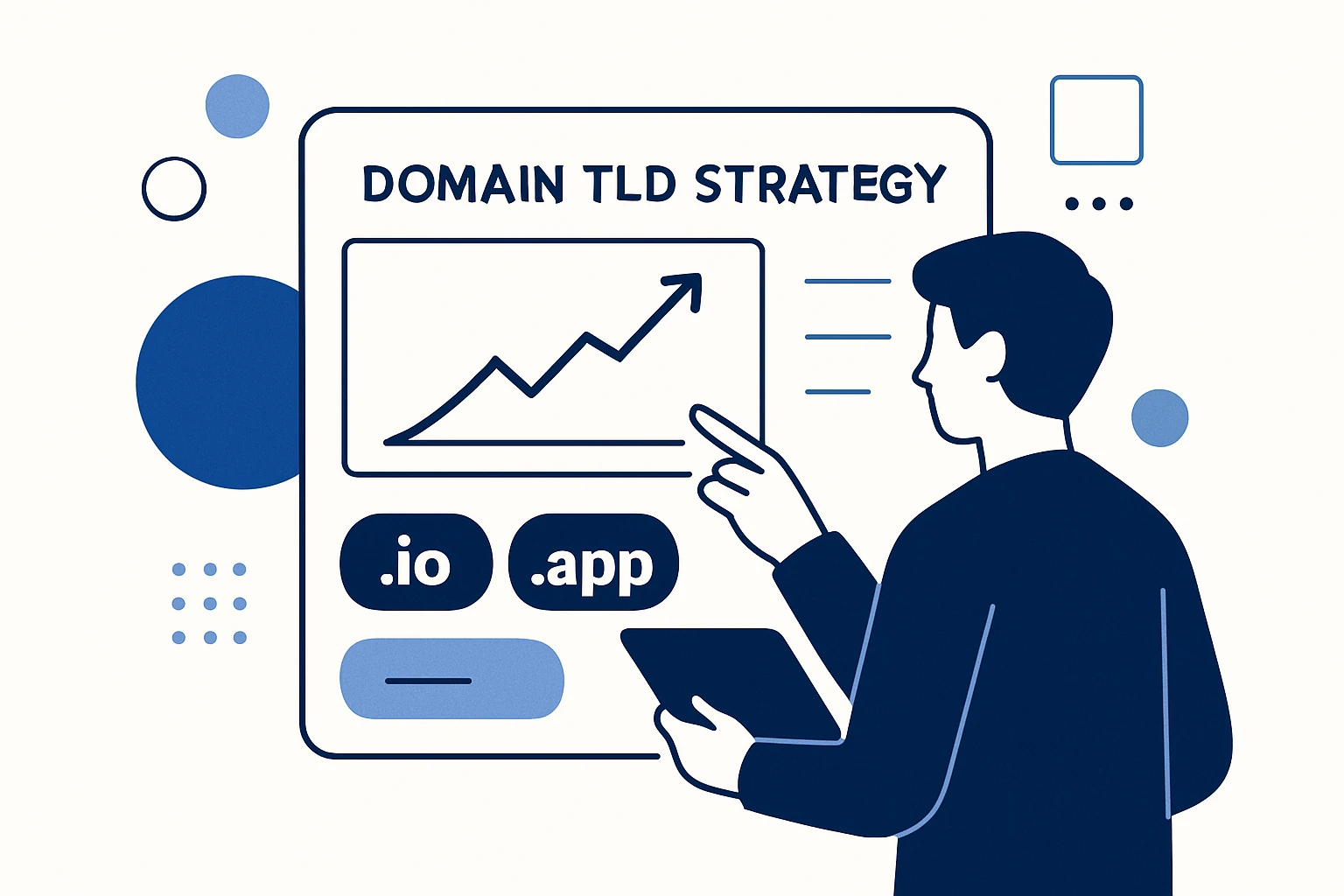
Choosing a domain strategy is more than a branding decision. For US-based web development projects, the domain extension (TLD) influences user trust, perceived credibility, and local reach - elements that feed into engagement metrics and, ultimately, long-term growth. In practice, the most successful domain choices balance brand clarity with geographic intent and realistic availability. This article unpacks a practical framework for selecting TLDs that align with a US audience, while avoiding common myths about SEO bonuses tied to specific extensions.
Two widely understood truths anchor the discussion: first, Google and other search engines do not treat the TLD as a direct ranking signal, second, local markets can respond differently to ccTLDs versus generic extensions. These points shape the way you evaluate whether a given TLD will help or hurt your project. Google’s SEO Starter Guide explicitly notes that the domain extension itself is not a direct ranking factor, regardless of whether you use .com, .org, or another generic TLD. (developers.google.com)
The TLD Landscape: Direct SEO Signals vs. Brand and Local Signals
From a purely technical SEO perspective, the TLD does not provide a ranking boost. In other words, a .com is not inherently more or less powerful than a .biz or a new gTLD such as .shop. This is an important distinction because it reframes TLD choice as a branding and user perception decision rather than a shortcut to higher search rankings. Search Engine Land summarizes the dynamic by explaining that generic TLDs are treated similarly in rankings, while ccTLDs can influence local search signals when you target a specific country. (searchengineland.com)
Beyond search rankings, the extension can impact how users perceive your site, click your listing, and decide to trust your brand. In practice, a credible, widely recognized extension (like .com) often carries a trust premium that can indirectly affect engagement metrics such as click-through rate (CTR), time on site, and page interactions - factors that search engines interpret as signals of quality. The risk, of course, is sacrificing trust if you choose a notably unfamiliar or spammy-sounding TLD. Industry guidance consistently warns against selecting TLDs with reputational baggage that could deter users. For context, industry observers note that search engines discourage spammy TLDs and that quality signals should drive branding decisions rather than the extension itself. (domainnamewire.com)
Governing Types: When to Use gTLDs, ccTLDs, and New TLDs
The domain system categorizes TLDs into generic top-level domains (gTLDs), country-code top-level domains (ccTLDs), and newer gTLDs. The practical takeaway for a US-focused audience is twofold: America-centric brands typically default to a safe, well-known gTLD, while ccTLDs are most valuable when you actively serve a specific country with localized content and signals for that country. The authoritative root zone information kept by IANA underpins these categories and their global distribution, reminding us that the internet’s naming system is extensive and diverse. For readers seeking a canonical overview of TLDs, the IANA Root Zone Database is the reference for current delegations. (iana.org)
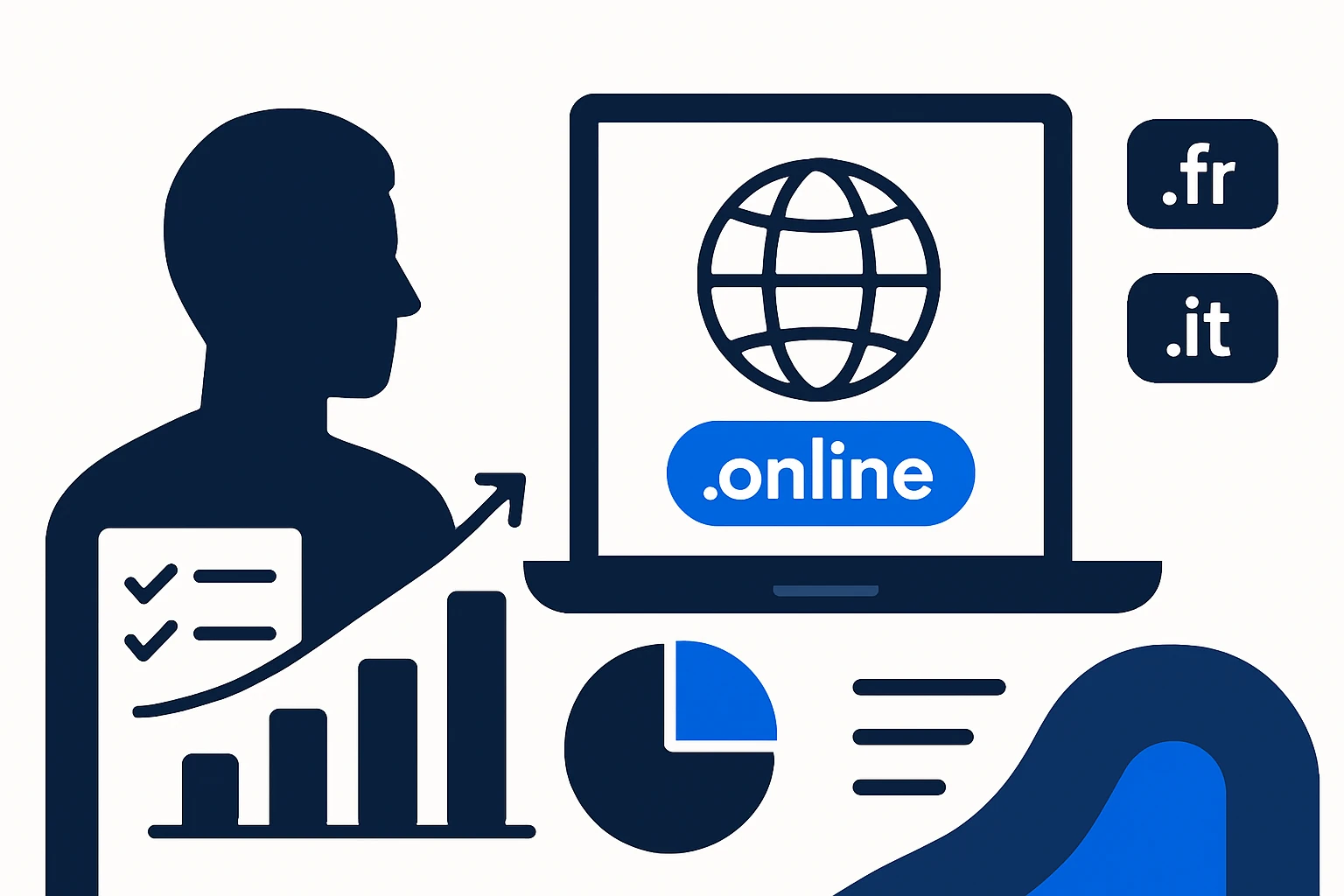
When you’re targeting a US audience, a classic .com remains a dependable anchor for brand trust and user expectations. However, if you plan to scale internationally, ccTLDs can be leveraged to signal local relevance and improve local presence, provided you also tailor content, local links, and Google’s country targeting settings accordingly. A leading industry summary notes that country-code extensions can provide local signals, especially when paired with local content and citations. (searchengineland.com)
Niche TLDs: What about .pro, .biz, and .dk?
Some teams explore niche or newer TLDs as part of a branding test or portfolio strategy. Each extension has its own history and audience perception. For example, .pro was designed for professionals and has a registrant eligibility model, while .biz is marketed for business use. Denoting a specific use case, these extensions are rarely perceived as inherently more trustworthy than a traditional .com, especially in regulated or high-trust sectors. When considering such TLDs, weigh the potential brand positioning against the risk of reduced recognition or perception issues among certain users. In practice, the extension’s reputation matters because user trust can influence CTR and engagement, which indirectly affect site performance. As a general principle, Google has repeatedly stated that there is no direct SEO advantage to any particular TLD, and keyword signals in a TLD do not translate into keyword rankings. This guidance has been echoed across multiple expert summaries and official materials. (developers.google.com)
For country-specific use, .dk signals Denmark-based audiences when used with appropriate content and hreflang signals, demonstrating how ccTLDs can be leveraged for local targeting. The Danish ccTLD is an example of how a country code can help users and search engines associate a site with a particular geographic region when used in conjunction with localized content and local links. This reinforces the broader principle: local validation and trust-building matter more than the extension itself when you’re aiming for local search visibility. (support.hostinger.com)
From a risk-management perspective, it’s prudent to avoid extensions that come with widespread spam associations. The industry consensus is to steer clear of a TLD that could trigger trust issues or delivery problems in some contexts. This caution is frequently highlighted in coverage of spammy TLDs and their potential to complicate indexing or link trust. For that reason, many practitioners favor established, broadly trusted extensions for commercial sites, reserving niche TLDs for branding experiments or specific campaigns. (domainnamewire.com)
A Practical TLD Decision Framework
To help teams apply these insights, here is a concise framework you can adopt in planning meetings. This block is designed to be a quick reference you can print or pin to a project brief.
- Brand trust signals - Choose an extension that aligns with user expectations for your target audience. If your audience heavily trusts .com, that may be your default anchor. Consider brand trust signals as a core input in your decision.
- Geography and language - If you serve a specific country or language group, weigh ccTLDs or geo-targeted strategies in combination with localized content. See the local signals guidance for ccTLDs.
- Availability and risk - Check domain availability across several extensions and assess reputational risk. Avoid extensions with spam associations that could undermine trust or CTR.
- Long-term branding - Think five to ten years ahead. A stable, credible extension supports brand consistency and reduces rebranding costs if your strategy shifts later.
- Operational considerations - Consider email deliverability, TLS/SSL readiness, and DNS reliability, since technical factors can influence user experience and search signals indirectly. See email delivery and DNS considerations as a planning checklist.
Brand trust signals
Brand trust is built through consistency, quality content, and reliable user experiences. The domain extension can contribute to perception, but it is not a substitute for brand strength. If you must choose a non-traditional extension, pair it with a robust content strategy, clear brand storytelling, and strong on-site trust cues (HTTPS, clear privacy policies, and accessible contact information). The SEO starter guidance notes that trust and quality signals drive performance, with the TLD itself not providing a direct ranking boost. (developers.google.com)
Local ccTLD strategy
When targeting a single country, a ccTLD can serve as a geographic indicator to search engines and users. The practical effect occurs when paired with locally relevant content and authoritative local signals. For US-based projects with international ambitions, a mixed strategy - primary US-facing branding on a gTLD with targeted ccTLD experiments for secondary markets - can be effective if you allocate proper localization and link-building resources. Industry coverage emphasizes local signals and content alignment as the core drivers of local search visibility. (searchengineland.com)
gTLD vs ccTLD: a quick comparison
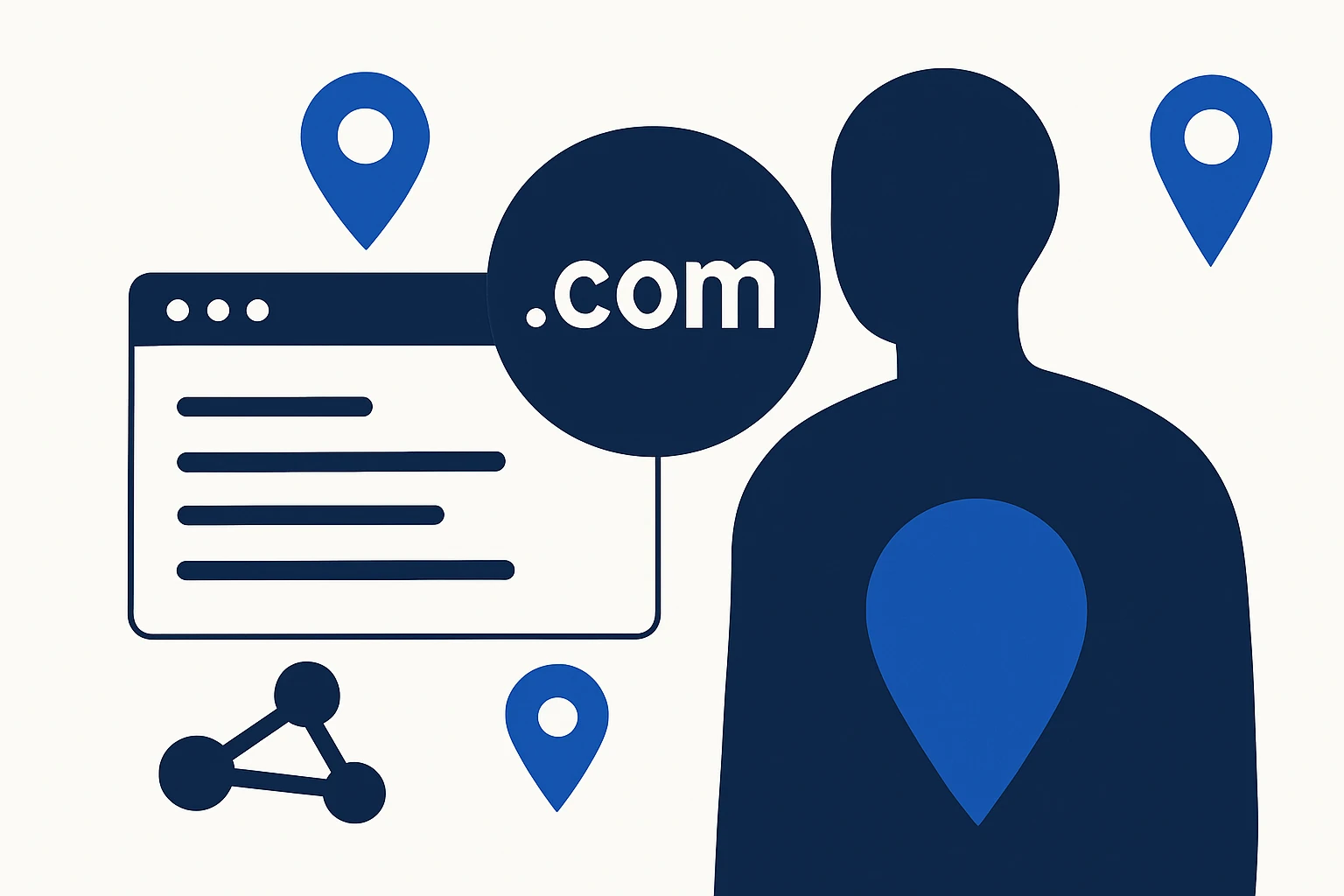
A quick rule of thumb: use a gTLD (for example, .com) for broad reach and standard brand expectations, reserve ccTLDs for markets where you actively publish locally relevant content and build country-specific signals. The root zone and regulatory context underpin the global nature of TLDs, while real-world results hinge on content quality, user signals, and backlinks rather than the extension alone. The practical takeaway is to avoid over-indexing on the extension as a ranking lever, and instead focus on performance, trust, and geographic alignment. (developers.google.com)
Limitations and Common Mistakes
Domain strategy is often misused as a shortcut for SEO. Here are the most common mistakes to avoid:
- Mistaking TLD as a ranking lever - There is no direct SEO boost from a given TLD. Focusing on content quality, backlinks, and user experience yields genuine results, while TLD choice remains a branding decision. See the official guidance on TLD neutrality in search rankings. (developers.google.com)
- Choosing an extension with trust concerns - Some newer or niche TLDs carry reputational baggage that can depress CTR and trust, particularly in regulated industries or consumer-facing sites. Avoid TLDs with spam associations when your aim is broad trust. (domainnamewire.com)
- Ignoring local targets in local markets - If you serve a specific country, neglecting ccTLD signaling (and hreflang alignment) can reduce local visibility. Local signals matter for local SEO, beyond the extension itself. (searchengineland.com)
- Over-optimizing for availability - Availability is a practical constraint, but rushing to a non-traditional extension for a quick win can harm long-term branding and recall. Plan for a brand-consistent portfolio rather than chasing a single quick-done domain.
Practical Resources and Client Offerings
To support development teams evaluating domain strategies, some providers offer downloadable domain lists to inform branding and market-entry decisions. For example, you can explore dedicated lists for .pro domains to assess niche positioning, and broader TLD inventories for cross-market planning. The following client resources illustrate how domain data can support decision-making: download list of .pro domains and download list of other TLDs for cross-market planning. These resources can be valuable when mapping branding assets to regional market opportunities or evaluating domain portfolio risks.
Beyond lists, domain research tools and support can help ensure your domain choices align with privacy, security, and compliance considerations. For teams needing comprehensive domain data, the client’s broader resources include access to a variety of TLD and country inventories, as well as authentication-friendly domain data services. (Note: these references are provided for context and should be used as part of a broader, informed decision-making process.)
Conclusion
Domain strategy for US-based web projects hinges on trust, clarity, and geographic intent more than on any single extension. By differentiating between direct SEO signals and indirect trust signals, teams can make informed choices that support branding and user experience while preserving search visibility. A disciplined approach - anchored in a framework that weighs brand perception, local reach, and operational realities - helps ensure that your domain decisions pay off over the long term. As you plan, remember the core lesson: extensions do not directly boost rankings, but they can shape how users perceive and interact with your brand, which in turn influences engagement signals that matter for performance. For teams exploring domain data as part of their planning process, the client resources cited above offer practical starting points for evaluating the implications of different TLDs in real-world contexts. download list of .pro domains and download list of other TLDs can serve as practical references as you craft a domain portfolio that supports your US-focused web development goals.