Introduction
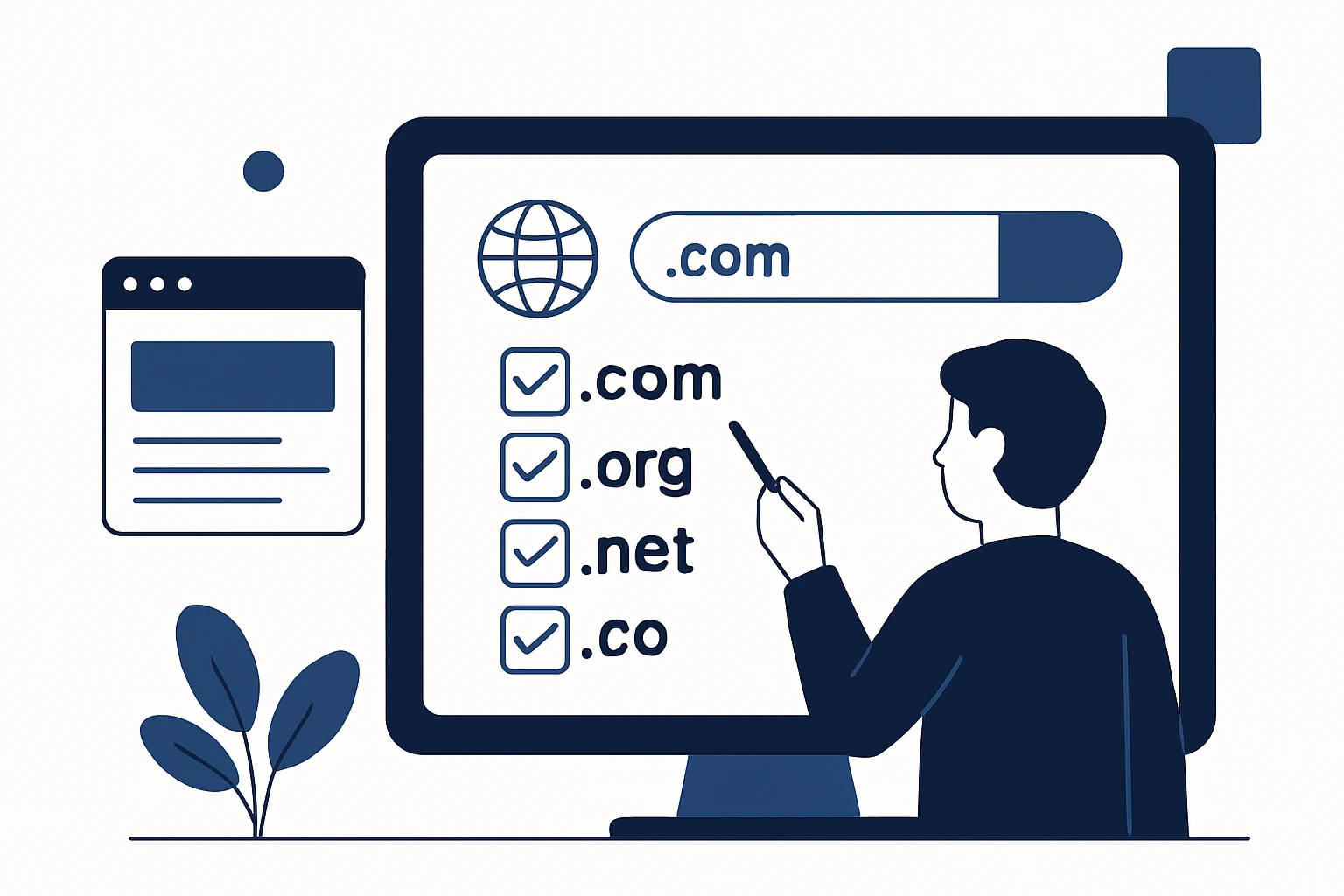
For startups and established brands alike, a thoughtful domain portfolio strategy is more than a registry of names, it’s a strategic asset that can influence branding, site architecture, and search performance. When your business contemplates a global or multi-brand presence, the task of sourcing, evaluating, and deploying domains across diverse TLDs becomes a cornerstone of credible online identity. This article focuses on a practical, non-generic angle: how to locate and download lists of specialized domains - specifically .sk, .world, and .life - and how to translate that inventory into actionable web strategy for development teams. While the topic may seem technical, the payoff is clear: better brand alignment, cleaner site architecture, and clearer SEO pathways for a diversified digital footprint.
To keep the discussion concrete, we’ll ground the analysis in the real-world registries that manage these TLDs. For example, Slovakia’s .sk registry is operated by SK-NIC and maintains data and zone files for registered names in that space. For new gTLDs like .world and .life, the root and delegation data are managed in the global IANA root zone, with Identity Digital serving as the registry operator for several modern extensions. These structures matter when you think about downloading lists, validating availability, and assessing the quality of domains for a client website portfolio. Citations follow key factual points. (sk-nic.sk)
Understanding the Domain Landscape: What .sk, .world, and .life Represent
.sk: A country-code TLD with a dedicated registry
The .sk domain is the country-code TLD for Slovakia, and its registry is SK-NIC, a.s. The registry is responsible for the master database of .sk names and the zone file that enables DNS resolution for registered domains. This means any plan to download .sk domain lists should consider the registry’s policies, access mechanisms, and any restrictions on bulk data. The official SK-NIC site provides registration details, policy pages, and registrar notes for .sk domains, which is useful when evaluating how to source lists responsibly. Citations: SK-NIC pages confirming registry role and zone file management. (sk-nic.sk)
.world: A modern gTLD with global scope
World-wide branding and global campaigns increasingly leverage new gTLDs like .world to emphasize reach and universality. The .world delegation data is part of the IANA root zone, underscoring its status as a globally managed extension. When you download domain lists for .world, you are tapping into a registry framework that may involve Identity Digital as the registry operator for this string. This matters for data provenance, licensing, and any ongoing policy updates that could affect bulk data use. For authoritative details about the delegation for .world, see the IANA root zone entry. Source: IANA root zone data for world. (iana.org)
.life: A descriptive gTLD with registry governance
The .life extension is another high-visibility new gTLD, delegated in the modern registry ecosystem. IANA’s records show Identity Digital as the registry operator for several modern TLDs, including lines associated with .life. If you’re downloading lists for planning or analysis, it’s important to verify the registry’s data access policies and any pricing or licensing constraints that apply to bulk data. IANA’s life delegation data confirms the registry relationship and governance framework. Source: IANA root zone data for life. (iana.org)
Why Download Lists? Turning Inventory into Strategy
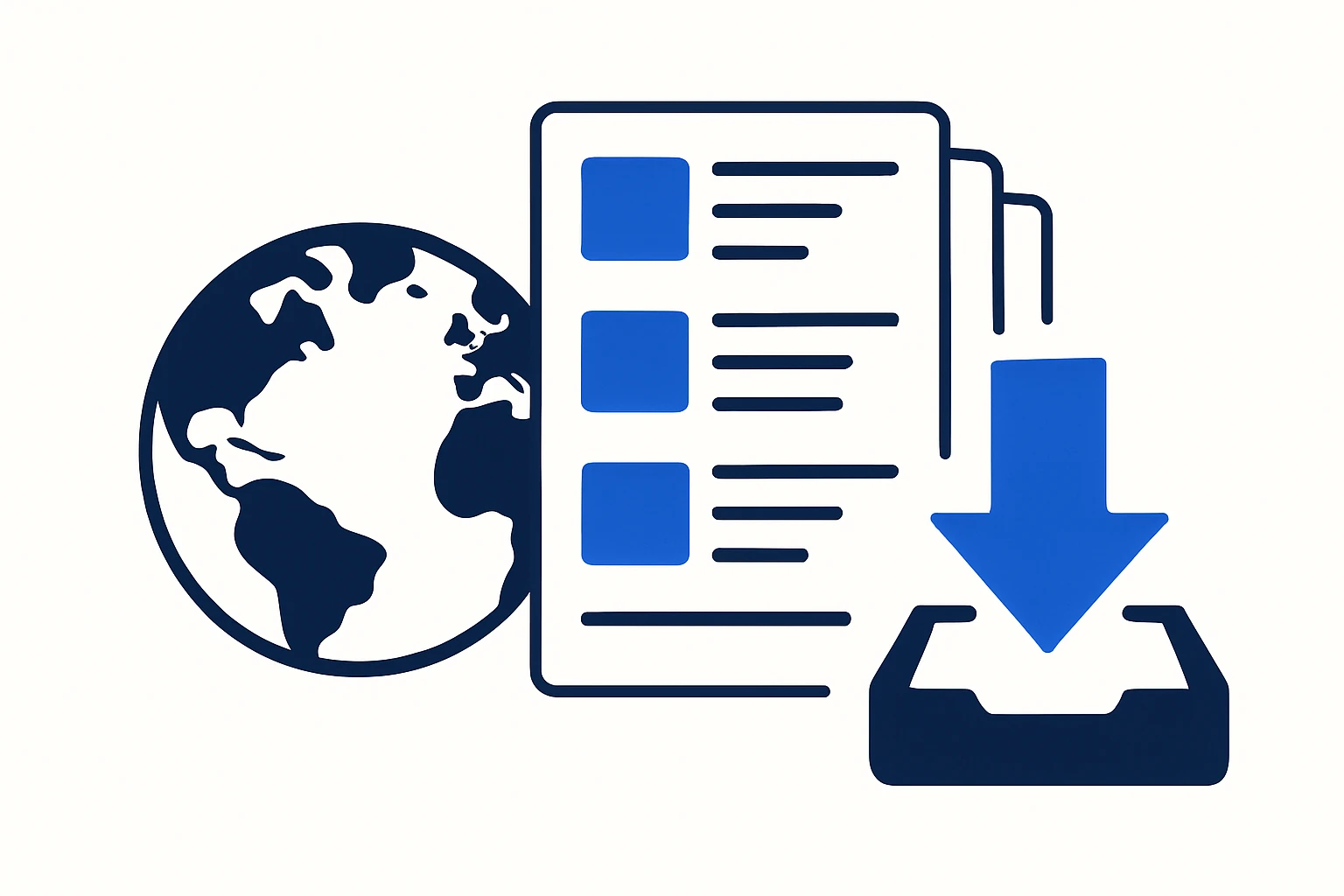
Downloading lists of domain names from registry data is not about harvesting every possible domain. It’s about extracting signals that help you plan branding, localization, and risk-aware deployment. When you assemble lists from .sk, .world, and .life, you can:
- Identify brand-name variations and potential trademark risks across geographies, languages, and alphabets.
- Assess domain availability patterns that align with your client’s growth plan, whether it’s a local market push or a global e-commerce rollout.
- Inform URL strategy for future migrations, acquisitions, or redirects tied to site architecture and SEO considerations.
Of course, accessing and using bulk domain data involves prudent governance: understand the registry’s wind-down rules, any privacy considerations, and any data-use restrictions. For context, registries like SK-NIC provide zone-file data and registrar guidance, while IANA maintains the authoritative root-zone data for global TLDs such as .world and .life. These sources establish the data’s provenance and the appropriate channels for lawful use. Sources and governance context are described by registry pages and IANA documentation. (sk-nic.sk)
Within a US-based agency workflow, the practical value lies in integrating domain-list findings with existing development and SEO practices. For example, a web development agency can coordinate with clients’ domain portfolios to align site architecture with the most relevant domains, ensuring consistent branding and clean navigation. The client’s domain inventory is a real-world input to several core services - ranging from CMS strategy to performance optimization and technical SEO. See how WebAtla’s domain resources fit into this picture: WebAtla .sk domain inventory and WebAtla pricing for scalable data access. (sk-nic.sk)
Practical Access: How to Download Lists Responsibly
There are two broad approaches to obtaining domain lists, depending on the TLD in question and the registry’s data-access policies:
- Zone-file-based data or delegated zone data provided by the registry (where permitted). Zone files are the authoritative DNS data used to map domain names to IP addresses. SK-NIC, for example, handles the zone file for .sk and publishes guidance for registrars and data access. This channel is most suitable for organizations with a legitimate business need and appropriate licensing. Source: SK-NIC zone-file governance, general root-zone governance from IANA. (sk-nic.sk)
- RDAP/WHOIS-based discovery and partner data services. For many TLDs, bulk data access is restricted, but registries and registrars offer programmatic access under specific terms or via approved data providers. IANA’s root-zone information and ICANN/IANA materials describe the governance framework for registry data access and the roles registries play in providing that data. Source: IANA root data and registry role documentation. (iana.org)
When you’re evaluating lists for downstream use in website development or SEO planning, you should pair the data with the agency’s internal processes: data cleansing, deduplication, and alignment with a client’s brand strategy. A practical approach combines authoritative data with a rigorous filtration process that screens out duplicates, ensures language and geo-appropriateness, and flags potentially conflicting names. As you consider bulk-domain data, you’ll also want to think about licensing, data privacy, and the registry’s terms of use. The governance framework provided by IANA and registry operators gives you a baseline for lawful, ethical use. Governance considerations are grounded in root-zone and registry documentation. (iana.org)
Framework: Six-step Domain Portfolio Assessment
The following framework helps teams translate domain lists into actionable project plans. It’s designed to be lightweight enough for sprint planning while robust enough to guide governance and risk decisions. Use it as a checklist to accompany any bulk-domain data you intend to act on.
- Step 1 - Define objectives and scope: What markets, brands, or product lines require TLD diversification? How do domains map to site architecture, localization, and campaigns?
- Step 2 - Map branding and audience fit: Which domains embody your client’s brand voice, language, and regional focus? Are there linguistic or cultural nuances to account for?
- Step 3 - Source with governance: Confirm data-access permissions and licensing terms for the TLDs in question (.sk, .world, .life). Align with the registry’s data-use policy.
- Step 4 - Validate availability and risk: Cross-check availability against your client’s trademark portfolio, assess potential cybersquatting or brand-protection concerns.
- Step 5 - Plan deployment vs. redirects: Decide which domains will host new content, which will redirect, and how to integrate with existing CMS and hosting strategies.
- Step 6 - governance and maintenance: Establish ongoing monitoring, renewals, and security measures to protect the portfolio over time.
Internal linking note: these steps dovetail with broader SEO and CMS topics we cover in other resources, such as domain-portfolio-management and brand-domain-strategy topics. See related concepts in our internal playbooks: domain-portfolio-management, brand-domain-strategy, and zone-files-access.
Integrating the Client Offering: Naturally Meeting Web Strategy Needs
For agencies building sites on behalf of clients with multi-domain portfolios, the objective is to harmonize domain strategy with development and SEO execution. The client’s domain inventory can inform site architecture decisions, SEO redirects, and content localization strategies, without turning the website into a tangle of competing domains. A practical path is to treat domain lists as a data input to a larger content architecture and performance plan. The WebAtla domain resources offer a credible way to access targeted TLD inventories and understand policy contexts, while our editorial framework ensures that domain strategy remains aligned with development and marketing priorities. See how a portfolio-informed approach can work in practice by referencing WebAtla’s .sk inventory as a concrete starting point. WebAtla .sk domain inventory (sk-nic.sk)
Beyond domain data, your agency’s core capabilities - WordPress development, ecommerce deployments, UI/UX design, and performance optimization - play a crucial role in turning domain lists into customer value. A phased approach might include: (1) mapping domains to content strategies within the CMS, (2) ensuring performance and security considerations for additional domains, and (3) coordinating with the client’s marketing teams to synchronize launches or redirects. For readers seeking a partner capable of weaving these threads together, DaivietWeb’s editorially robust approach emphasizes editorial quality, technical rigor, and practical outcomes. For pricing and engagement options, you can explore WebAtla’s offerings and related pages, as noted above.
Limitations, Trade-offs, and Common Mistakes
Working with bulk domain lists is powerful, but it’s not a magic bullet. Here are key limitations and frequent missteps to avoid:
- Over-reliance on registry data without governance checks: Bulk lists must be paired with licensing terms, privacy considerations, and brand-usage policies. Without governance, you risk data misuse or regulatory friction. Governance considerations are detailed in registry and IANA materials. (iana.org)
- Ignoring branding and regional nuances: A domain that looks good in one market may clash with language, cultural expectations, or brand perception in another. Always map domains to branding and audience insights first.
- Relying on a single TLD strategy: Diversification across .sk, .world, and .life requires thoughtful cross-linking, canonical strategies, and consistent navigation to avoid diluting SEO signals.
- Underestimating licensing and data-use constraints: Bulk-zone data access often comes with conditions. Ensure you have proper permissions before integrating lists into client campaigns.
- Premature deployment: Deploying new domains without a content and performance plan can waste resources. Use a staged approach with CMS preparation, redirects planning, and analytics setup.
For teams that want to avoid these pitfalls, a collaborative approach with a trusted web development partner can be invaluable. A partner can help with domain governance, CMS integration, and a cohesive SEO strategy that treats the domain portfolio as an engine for growth rather than a risk.
Put It Into Practice: A 6-Step Playbook
To translate the framework into action, use this compact playbook during project scoping and sprints:
- Audit the client’s current site architecture and branding against potential domain-inventory signals.
- Secure data access and confirm licensing requirements for bulk lists from the relevant registries.
- Cross-check domain candidates against trademarks, regional regulations, and language considerations.
- Map domains to site-building tasks in your CMS, ensuring clean redirects and canonical signals.
- Launch a staged pilot with a subset of domains to validate performance, SEO impact, and user experience.
- Review performance metrics and refine the portfolio based on learnings from the pilot.
Internal resources you may want to explore alongside this playbook include domain-portfolio-management, tld-registry-ops, and brand-domain-strategy pages (linked inline above).
Conclusion
Downloading and using domain lists for .sk, .world, and .life can be a strategic advantage when implemented with governance, brand alignment, and solid development practices. For agencies serving US-based clients, the key is to treat domain data as a strategic input - one that informs site architecture, branding decisions, and SEO pathways - while keeping a careful eye on data-use terms and registry rules. When combined with a robust web development and SEO program, a domain-portfolio-informed approach supports cleaner architectures, stronger brand coherence, and more precise performance outcomes across multiple markets. If you’re ready to incorporate domain insights into your next project, consider coordinating with a partner that balances editorial quality with technical rigor - and leverage the WebAtla inventory as a credible starting point for your domain-focused initiatives.
Further reading and related topics: domain-portfolio-management, brand-domain-strategy, zone-files-access, ui-ux-design-agency, wordpress-development-services, ecommerce-development-services.
For those who want to see practical examples of how this approach translates into deliverables, the WebAtla catalog provides concrete domain inventories to inform development decisions, while DaivietWeb’s editorially rigorous framework ensures you pair data with a compelling user experience.